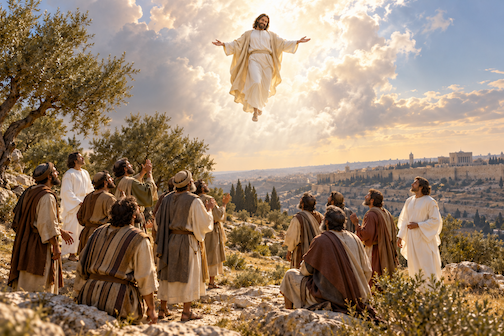
There were four critical highlights in God’s plan of redemption in sending His son to live on earth as a human being: His birth, death, resurrection and ascension. Christmas and Easter celebrate the first three, but His ascension is also essential to enable our spiritual lives today.
After appearing to His disciples for forty days, the risen ...
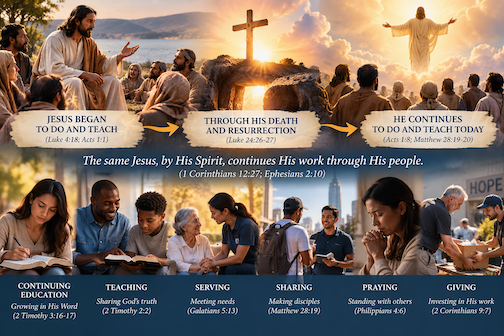
The opening words of Acts contain a small phrase with a very big meaning. Luke writes, “In my first book I told you, Theophilus, about everything Jesus began to do and teach” (Acts 1:1, NLT).
Notice that Luke speaks about what Jesus began to do and teach. His Gospel records the earthly ministry of Jesus, but the story ...

In Christian theology, adoption is one of the most precious and practical blessings that flow from the gospel. It describes the gracious act by which God the Father takes those who were once strangers and enemies and places them into His own family as full sons and daughters, with all the rights, privileges, and intimacy that belong to true children. ...

I often opine that Jesus never asks us to accomplish anything that cannot be done with the help of the Holy Spirit. So his admonition in Matthew 5:48 must be a goal that can be reached. While it is true that none of us will ever be perfect in this life, the high and beautiful standards Jesus set forth in the Sermon on the Mount remain the goals toward ...
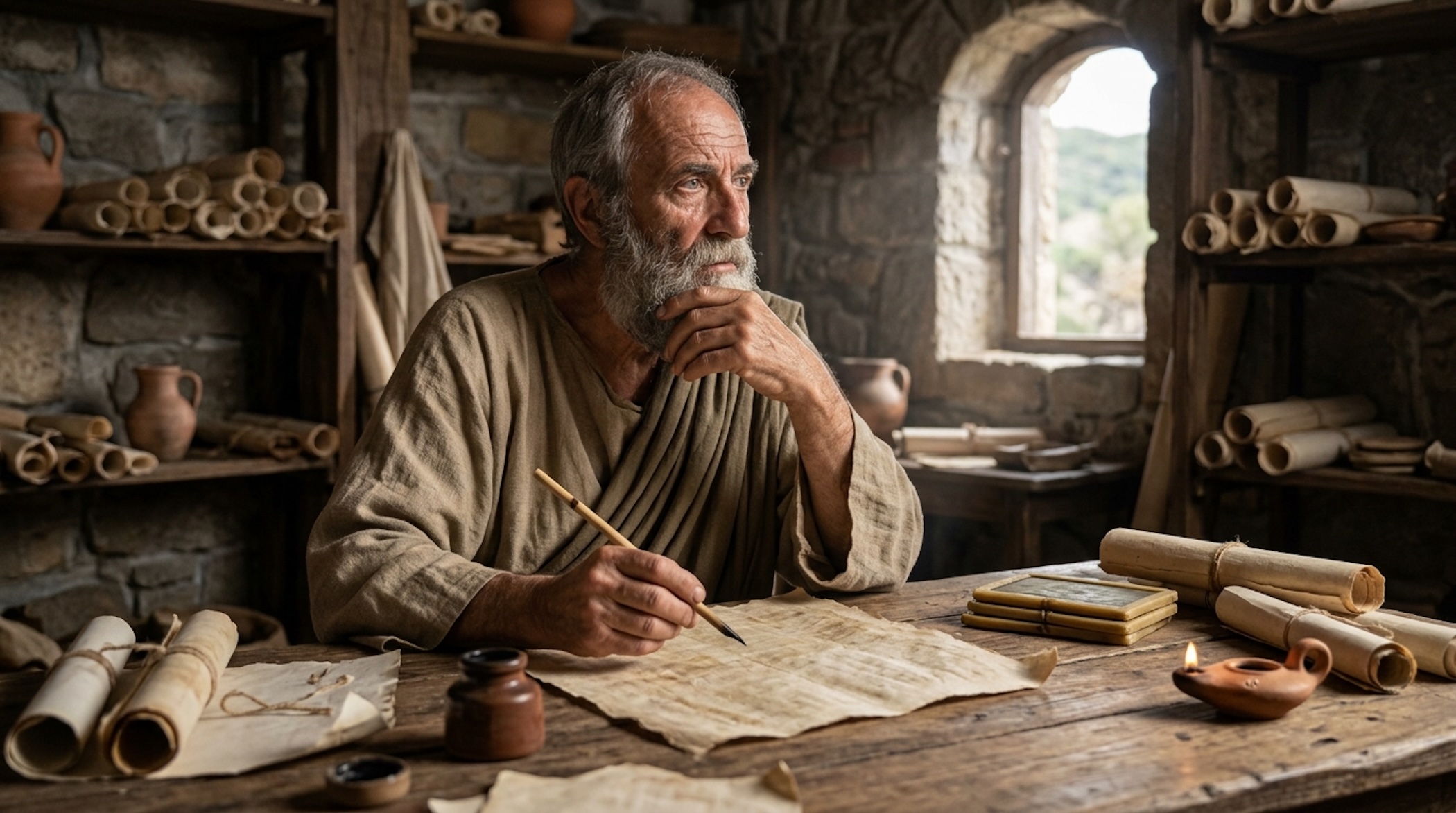
I think if Jesus were to ask, “Who do you say I am?” (Matthew 16:15 NLT), the question He famously asked Peter, He would surely be disappointed by some of the answers He’d receive from contemporary Americans.
A nationwide survey conducted by The Barna Group among a representative sample of adults explored how many have what might ...

If you have been following along with my weekly thoughts you will have surmised that I am intrigued by paradoxes — verifiable truths despite initial impressions. For example, love multiplies when it is given away, or as my thought for this week, blessings very often spring from hardship. Life inevitably brings seasons of pressure that none of us ...

[All scripture references are from the New Living Translation]
In a previous post, I compared Jesus’ saving grace to a sturdy bridge that carries us from eternal peril into everlasting safety, provided we trust Him enough to step onto it. It’s a metaphor that resonates with me, because it’s not just a simple picture, but a deeply significant ...